Physical Address
304 North Cardinal St.
Dorchester Center, MA 02124
Physical Address
304 North Cardinal St.
Dorchester Center, MA 02124

is an experimental drug for obesity developed by the American pharmaceutical company Eli Lilly and Company. It is a triple hormone receptor agonist on the GLP-1, GIP, and glucagon receptors.
GLP-1 receptors improve insulin sensitivity and increase satiety. Retatrutide has shown to increase insulin secretion. Furthermore, agonism of the glucagon receptor increases energy expenditure and promotes fat loss and metabolic activity. With current research, activation of these receptors has overall reduced caloric intake and increased energy expenditure, successfully leading to higher weight loss compared to alternative treatments.
The safety profile of Retatrutide is still under investigation. Reported side effects have been gastrointestinal symptoms, such as nausea, vomiting, diarrhea, constipation, and abdominal discomfort. An increase in side effects occurred with increased dosages. Less commonly reported side effects have included fatigue, headaches, and mild increases to heart rate. All drugs targeting GLP-1 receptors currently have the potential risk for pancreatitis, gallbladder disease, and gastrointestinal intolerance. These effects have not been linked to Retatrutide in current trials. However, long-term outcomes of side effects are still being established.
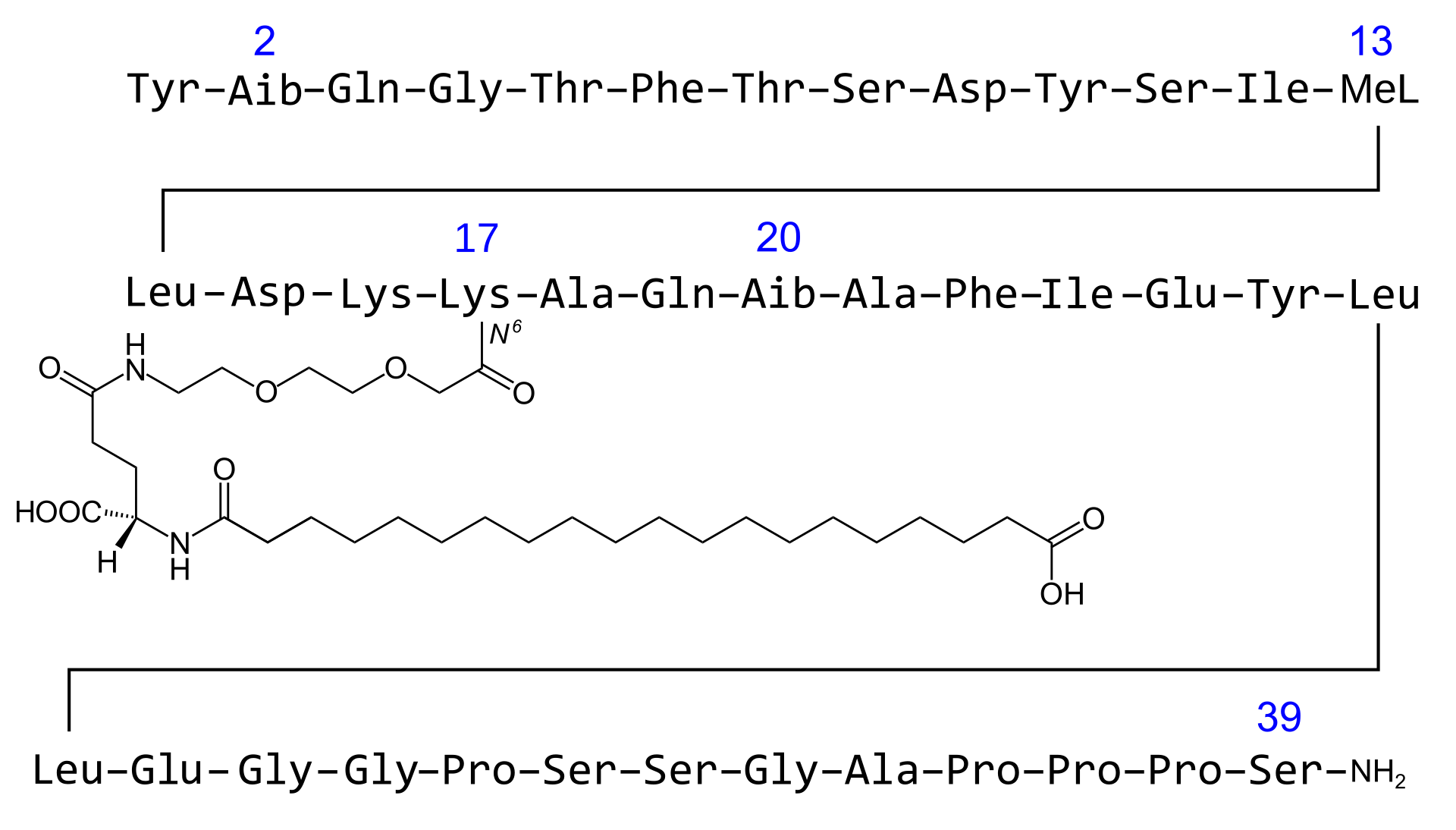
Chemical Formula:
C₂₂₁H₃₄₂N₄₆O₆₈
Classification:
Triple Agonist Peptide
Research Area:
Weight Management and Metabolism
Compound Type:
Peptide
Status:
Investigation Compound
Also known As:
LY343793
Related Compounds:Tirzepatide, Semaglutide, Cagrilintide